

Experience Real Casino Action With Live Dealer Games
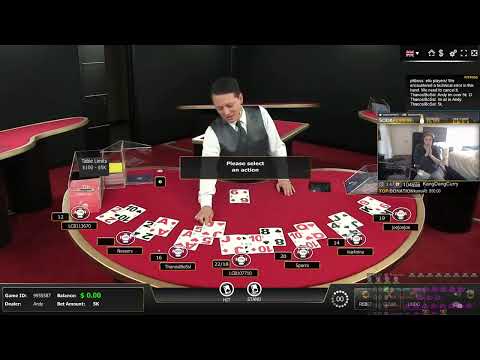
Missing the human touch of a real casino floor without leaving home is a common frustration. Live dealer casino solves this by streaming professional croupiers directly to your screen in real time. You play on actual tables with cards and wheels, using an interface to place chips and chat with the dealer. This creates an authentic social atmosphere that blends convenience with genuine casino action.
The Evolution of Real-Time Table Gaming
The evolution of real-time table gaming in live dealer casinos is defined by the shift from simple camera feeds to multi-angle, low-latency streams that mimic the physical casino floor. Early setups used a single, fixed camera, limiting your view and trust. Today, optical character recognition (OCR) technology instantly scans the physical cards and chips, updating the digital interface on your screen in real-time, which prevents disputes. Master this by focusing on game-specific camera angles. A key evolution question: How does real-time data synchronization improve game play? It eliminates human error in bet settlement, ensuring the dealer’s physical action and the software’s display match perfectly each hand, preserving game integrity without requiring manual input from the dealer.
From Brick-and-Mortar to Streaming Studio
The shift from brick-and-mortar casinos to dedicated streaming studios fundamentally alters the player experience for live dealer games. Physical casino tables are replaced with purpose-built, soundproofed studios designed for optimal camera angles and lighting, eliminating background noise and crowded floors. This transition allows operators to offer a wider variety of game speeds and betting limits that are impractical in a physical venue. The dealer now works in a controlled environment, focusing entirely on camera interaction and game flow without the distractions of a best online casino bustling floor. This environment is crucial for streaming studio precision. How does a streaming studio improve game fairness compared to a physical table? Bystanders cannot see a player’s cards, and the dedicated single-camera view of the table action prevents obscured angles, ensuring every hand and spin is clearly visible to all remote participants.
Key Technological Breakthroughs Behind the Shift
The real magic behind the shift to live dealer gaming comes from ultra-low latency streaming. Rather than waiting for a clunky video feed, advanced encoding and edge servers now transmit cards dealt and wheels spinning in near-real-time. Optical character recognition (OCR) silently reads every bet and hand result, automating the data flow without any delay. This means your decisions sync instantly with the croupier’s actions, creating a fluid, responsive table. High-definition multi-camera angles, switched automatically based on action, let you peek at just the right spot. It’s all about making the remote felt feel as snappy as sitting down in person.
How the Human Element Transforms Online Play
The human element in a live dealer casino transforms online play from isolated clicks to authentic interaction. A real dealer reads the table, offering a knowing smile after a lucky win or a sympathetic nod on a tough beat, creating a social dynamic impossible with random number generators. This live presence fosters trust, as players see cards shuffled and dealt in real time, eliminating doubts about fairness. The chat feature amplifies this, letting you banter with the dealer and fellow players, recreating the camaraderie of a physical venue. Q&A: How does the human element transform online play? It replaces algorithm-driven solitude with genuine human connection, making every hand feel like a real event. This is the future of immersive gaming—a blend of convenience and genuine human touch that elevates your entire experience.
The Role of Trained Croupiers in Player Engagement
Trained croupiers are the heart of player engagement in a live dealer casino, turning a simple bet into a social moment. Their friendly chat and quick reactions make you feel like you’re at a real table, not just clicking a screen. A pro croupier reads the room—joking with winners, consoling losers, and keeping the pace lively so no one gets bored. This human touch builds trust and keeps players returning for the interactive experience.
- Greeting players by name and recalling their past hands creates a personal connection.
- Reacting humorously to winning streaks or busts keeps energy high and stress low.
- Slowing or speeding the game flow based on player mood prevents frustration or downtime.
- Explaining rules casually during play helps newcomers feel included without pressure.
Building Trust Through Visible Card Handling and Wheel Spins
In live dealer casinos, trust is built not through promises but through the visible mechanics of each action. When a croupier spreads a deck face-down for a cut or manually spins the wheel with a distinct flick, players can verify the absence of automation. This real-time card handling transparency eliminates doubt about pre-arranged outcomes, as every shuffle and spin occurs within direct view of the camera. The physical sound of chips stacking, cards riffling, or the roulette ball bouncing creates a sensory logic that algorithmic RNGs cannot replicate. Observing the dealer’s deliberate hand movements—pausing to show the shuffled edge, releasing the ball with consistent force—provides sequential proof of randomness.
Visible card handling and wheel spins transform abstract probability into observable, verifiable physics, anchoring player confidence in what is seen, not guessed.
Anatomy of a High-Quality Streaming Studio
A high-quality live dealer casino studio is a meticulously designed space, with multiple camera angles that capture the felt and the dealer’s hands without revealing the control room. The lighting is soft and directional, eliminating harsh shadows on the cards and chips while keeping the dealer’s face clear on the green baize. Every sound is isolated by acoustic panels, so the shuffle of a shoe or the click of a roulette ball is the only audio the player hears. Even the dealer’s uniform is chosen for its lack of reflective buttons, ensuring the stream never flashes a distracting glint into the lens. The result is a seamless window into a pristine game world.
Camera Angles, Lighting, and Sound Design
In a high-quality live dealer studio, camera angles are meticulously positioned to eliminate dealer blind spots and provide a clear view of the card shoe, wheel, and chip tray, often using a fixed overhead shot for game integrity. Lighting is diffused with a high Color Rendering Index (CRI) to prevent harsh shadows on the felt and dealer’s hands, ensuring table felt and card colors appear true to life. Sound design employs directional boom microphones to isolate the dealer’s voice and the distinct clicks of roulette or chips, while ambient room noise is canceled. Multi-angle studio orchestration ensures every player perspective is stable, with no shifting field-of-view.
Q: Why is soft-box lighting preferred over direct spotlights for live dealer tables?
A: Soft-boxes eliminate harsh reflections on glossy cards and chip plastic, ensuring the table surface remains glare-free for clear camera capture without player eye strain.
Game Show Formats vs. Classic Table Layouts
Game show formats transform the studio into a vibrant, multi-camera arena with flashy graphics, wheel mechanics, and live hosts, creating high-energy chaos for players who crave more than cards. Classic table layouts, by contrast, rely on a single, static camera angle focused on a felt-covered surface and a dealer, prioritizing clear game flow for purists. The former demands dynamic lighting and oversized props; the latter needs crisp, shadow-free close-ups of chips and cards. Which format feels less intimidating for a first-timer? Classic tables win, as their straightforward, face-up action mirrors a real casino table, whereas game shows require quick rule absorption under loud fanfare.
Multi-Table Views and Real-Time Chat Features
Multi-table views in a live dealer studio let players monitor multiple tables simultaneously, often via split-screen or picture-in-picture layouts, without interrupting the stream on any single game. Selecting two or more tables opens synchronized camera feeds, allowing quick bet placement across blackjack or roulette rounds. Real-time chat features link directly to each table’s dealer, enabling instant strategy questions or social interaction without delay. For optimal use, follow this sequence:
- Open the multi-table selector from the lobby menu.
- Choose tables with compatible betting limits.
- Adjust each stream’s audio volume individually in the chat overlay.
This combination of parallel table monitoring and live dealer dialogue sustains immersion while maximizing round frequency.
Game Variants You Should Know About
Beyond blackjack and roulette, you should know about live dealer variants like *Lightning Roulette*, where random multipliers boost payouts up to 500x, and *Infinite Blackjack*, which lets unlimited players join a single hand with side bets like “Any Pair.” For poker fans, *Casino Hold’em* offers a quicker twist against the house. Quick Q&A: “What makes these variants worth trying?” They add fresh rules, bigger wins, or faster rounds compared to standard tables, keeping the live streamed action from getting stale.
Classic Blackjack with Side Bet Options
In Classic Blackjack with Side Bet Options, the core game follows standard blackjack rules, but players can place additional wagers on specific outcomes before the deal. Side bets like Perfect Pairs, 21+3, or Lucky Lucky operate independently of the main hand, offering higher payouts for rare events such as suited pairs or a player-dealer combined total of 21. To maximize value, evaluate side bet house edges before playing. Tactical placement follows a clear sequence:
- Assess the side bet’s payout table and odds.
- Confirm the minimum side bet amount at the live dealer table.
- Place the side chip in the designated circle before cards are dealt.
- Compare your hand and dealer upcard to the winning conditions.
This adds variance without altering your primary blackjack strategy.
Immersive Roulette and Speed Roulette
For players prioritizing pace, Immersive Roulette versus Speed Roulette defines two distinct live dealer experiences. Immersive Roulette uses multiple HD cameras and slow-motion replays, letting you scrutinize the ball’s trajectory from angles a standard table cannot offer. Speed Roulette contrasts sharply by compressing betting time to roughly 12 seconds per spin, removing the croupier’s dealing delay through automated ball launch. Your choice hinges on style: choose Immersive for dramatic visual storytelling or Speed for rapid-fire rounds. Both sidestep the sluggish pace of traditional live tables, but neither offers control over the house edge—that remains fixed.
| Aspect | Immersive Roulette | Speed Roulette |
|---|---|---|
| Betting period | Standard (15–20 sec) | Aggressively short (~12 sec) |
| Visual focus | Multiple angles & replay | Single fixed camera |
| Round duration | Extended due to replays | Minimum possible |
| Pacing appeal | Cinematic immersion | High-velocity action |
Baccarat Squeeze and Dragon Tiger Variations
In live dealer casinos, Baccarat Squeeze and Dragon Tiger Variations inject fresh adrenaline into classic gameplay. Baccarat Squeeze amplifies tension as the dealer slowly reveals card edges, letting players participate in the reveal for heightened suspense. Dragon Tiger strips baccarat down to a single card versus card, offering lightning-fast rounds and simpler betting—perfect for quick decisions.
- Baccarat Squeeze lets you choose your squeeze style, like “Big Eye Boy” or “Red Tiger,” directly influencing the dealer’s reveal pace.
- Dragon Tiger variations often feature side bets on suit or color, adding layered payout potential without complex rules.
- Both variants use multiple decks, but Dragon Tiger rounds conclude in under 10 seconds, ideal for high-speed sessions.
Poker-Style Games: Three Card, Caribbean Stud, and Casino Hold’em
In live dealer casinos, poker-style variants like Three Card, Caribbean Stud, and Casino Hold’em each offer distinct hand rankings and betting structures. Three Card Poker uses a 52-card deck with its own hierarchy, where a straight flush tops the list, and the ante-bet plus pair-plus wager are key. Caribbean Stud pits players against the dealer using standard five-card poker hands, requiring a mandatory ante and an optional progressive side bet. Casino Hold’em follows Texas Hold’em rules, but players face the dealer with no community bluffing, relying on the ante and call betting action to reach a showdown.
Summary: Three Card, Caribbean Stud, and Casino Hold’em are quick, head-to-head poker variants in live dealer settings, each with unique hand values and simplified betting rounds focused solely on player versus dealer outcomes.
Strategies for Navigating Real-Time Wagering
The dealer’s hand pauses over the felt, the shoe half-empty, and I realize the rhythm of real-time wagering is my only edge. I watch the table’s tempo, not just the cards; when the shuffle comes, I hold my bet for a round, reading the dealer’s motion, the slight pauses in their deal. Counting live decisions means factoring in the human delay—a slower dealer can mask shifts in probability. I note how the table reacts: after a bust streak, I wait for a win before adjusting my stake, because the energy ripples through the rakes. The key question: How do you time a raise without losing composure? By anchoring to the deal’s flash point: when the dealer’s eyes flick from chip rack to shoe, that’s my moment to either reduce exposure or ride a read, never chasing the next shuffle too fast.
Bankroll Management in a Fast-Paced Environment
In a fast-paced live dealer environment, strict stake division per round is critical. Since hands or spins resolve rapidly, pre-set a budget for each session and never chase losses. Implement a unit-based system: wager only 1-3% of your bankroll per bet. A clear sequence helps:
- Determine your total session capital before logging in.
- Divide that capital into fixed units (e.g., $10 per round).
- Stop playing if you lose 50% of your session bankroll.
This method prevents emotional escalation when rapid decisions are required, preserving longevity during high-speed play.
Reading the Dealer’s Pace and Betting Patterns
Watching a dealer’s rhythm can reveal more than just the next card. A quicker shuffle or a sudden pause might signal confidence or hesitation, while their betting patterns—like consistently pressing a win or playing tightly after a loss—offer clues for your own next move. Timing your wagers based on dealer pace helps you avoid predictable bets, letting you adjust your strategy as the table’s energy shifts. Stay alert for those tiny, repeatable habits; they’re your best edge in real-time play.
When to Use Side Bets for Maximum Entertainment
Side bets shine when you want a quick thrill without overcomplicating the main game. Use them when the base hand feels slow or predictable, like during a cold streak in blackjack where the dealer keeps winning. They’re perfect for spicing up low-stakes rounds where you’re playing smaller bets just for fun. Avoid side bets when chasing losses or during serious plays—they’re distractors, not saviors. Treat them as a bonus mini-game to break monotony, like betting on a suited pair in Perfect Pairs. That casual gamble keeps the energy alive without derailing your session.
Mobile Optimization and Touchscreen Interaction
Mobile optimization for live dealer casinos demands a seamless, low-latency stream that adapts instantly to your device’s screen size, with touch targets sized to prevent misclicks on betting options or card decisions. Swipe gestures, such as dragging chips to the betting circle, must register with zero delay, while the interface reorients fluidly between portrait and landscape modes for continuous play. Q: How do I avoid accidental bets on a small screen? A: Place chips by tapping the exact betting area—most mobile interfaces enlarge touch zones around active spots and require a confirm-and-drag motion for high-stakes wagers, reducing errors.
Adapting Table Layouts for Smaller Screens
Adapting table layouts for smaller screens in live dealer casinos requires condensing the game interface without sacrificing functionality. The betting grid is restructured into a scrollable single-column format, replacing horizontal rows with stacked options to fit narrow viewports. Buttons and chips are resized to at least 44×44 pixels for touch accuracy, eliminating overlapping elements. Critical data—dealer cards, bet limits, and timer—is permanently pinned to the top of the screen using sticky headers. On-court video is reduced to a smaller, draggable overlay, while side bets are tucked behind a collapsible menu icon. This ensures precise tapping on betting spots without zooming or glancing misclicks.
Responsive Streaming Without Lag
Responsive streaming without lag in a live dealer casino depends on adaptive bitrate technology, which dynamically adjusts video quality to match fluctuating network conditions. This ensures that seamless real-time gameplay is maintained even on mobile devices with inconsistent connections. Low-latency protocols, such as WebRTC, minimize the delay between the dealer’s actions and your screen, preventing mistimed bets or missed outcomes. The front-end prioritizes rendering video frames over static assets, reducing processing overhead.
- Adaptive bitrate streaming prevents buffering by scaling resolution during congestion.
- Sub-second latency via optimized servers keeps video in sync with game logic.
- Hardware acceleration offloads decoding to the device’s GPU for smoother playback.
- Touch input is buffered to align with frame delivery, avoiding action delays.
Gesture-Based Controls for Placing Wagers
Gesture-based controls for placing wagers on live dealer casino tables streamline betting by replacing clumsy taps with intuitive swipes and pinches. Players can simply swipe to adjust chip values directly on the betting grid, while a pinch gesture quickly confirms or cancels a wager. This touchscreen interaction reduces input errors during fast-paced rounds. Single-finger drag allows precise chip placement on specific bet zones, eliminating misclicks. A two-finger tap can clear all current bets in one motion.
- Perform a downward swipe on the chip stack to increment bet size incrementally.
- Use a pinch-to-close gesture on the betting area to lock in a placed wager.
- Tap and hold a chip icon to activate a radial menu for selecting higher denominations.
Comparing Provably Fair RNG and Physical Randomness
In a live dealer casino, the core distinction between Provably Fair RNG and Physical Randomness lies in verifiability versus tangibility. RNG-based games allow players to mathematically audit every shuffle or spin after the fact using hash keys, offering cryptographic proof of fairness. Physical randomness, such as a human dealer cutting a real deck, relies on witnessed live video and the inherent unpredictability of mechanical actions. For the player, Provably Fair RNG provides absolute post-game transparency, but it cannot replicate the tactile authenticity of watching a physical card flip. Conversely, live dealer physical action offers immediate sensory trust but no cryptographic way to confirm the dealer didn’t pre-arrange the outcome. The informed player chooses based on whether they value algorithmic verification or the perceived integrity of a real human interaction.
Why Live Tables Appeal to Skeptics of Digital Algorithms
For players who distrust digital algorithms, live tables offer a direct, physical alternative. You watch a real dealer shuffle cards or spin a roulette wheel, with no software to question. The appeal lies in tangible randomness you can track with your eyes. Skeptics feel the process is transparent because human action, not a coded script, determines each outcome. It’s the difference between trusting a person’s habits versus trusting a black box you’ll never see inside. The sequence of trust builds naturally:
- You observe the dealer’s physical actions in real-time.
- You perceive no repeatable pattern, just human unpredictability.
- You conclude the result is random by sight, not by faith in code.
Hybrid Systems Blending Physical Cards with Optical Recognition
Hybrid systems blending physical cards with optical recognition create a sweet spot between old-school trust and digital speed. In live dealer casino games, a real deck is shuffled by hand, then a high-speed camera instantly reads each card’s rank and suit as it lands. This setup removes any doubt about digital-only RNG while keeping outcomes super fast for players. The optical tech ensures you’re seeing the exact physical card, not a computer simulation, which makes the experience feel more genuine. It’s reliable because the hardware double-checks everything, so you get trustworthy optical card tracking without lag or human error in the read.
Bankroll-Friendly Tables for Different Player Levels
In live dealer casinos, bankroll-friendly tables for different player levels are segmented by minimum bet limits and stake flexibility. Low-stakes players can find blackjack, roulette, or baccarat tables where bets start as low as $1 to $5, allowing extended play without rapid depletion of funds. Mid-level players benefit from tables with $10 to $25 minimums, offering a balance between meaningful win potential and sustainable risk. High rollers access dedicated VIP suites with limits ranging from $100 to thousands per hand. Many live platforms also organize tables by bet size categories—such as “Low”, “Medium”, and “High”—directly in the lobby, enabling immediate selection based on current player bankroll. This structure ensures that every player, regardless of deposit size, can participate in a live setting without overextending their funds.
Low-Stakes Rooms for Casual Participation
Low-stakes rooms are perfect for dipping your toes into live dealer action without pressure. You’ll find tables with tiny minimum bets, letting you play blackjack or roulette for just a few dollars a hand. This setup is ideal for learning the flow of a real game while chatting with the dealer. It’s a budget-friendly way to practice live casino etiquette and build confidence.
- Minimum bets often start as low as $1 or less
- Slower game pace allows you to think through decisions
- Friendly dealers are used to guiding casual participants
- No side bets or complex rules are forced on you
High-Limit Sections for Premium Action
For discerning players, high-limit sections for premium action offer elevated minimum bets and larger table maximums within the live dealer studio. Access begins by selecting a dedicated VIP table from the lobby, often requiring a higher deposit threshold or account verification. The flow involves:
- Entering the private section, which displays bet limits from $100 to $10,000+ per hand.
- Receiving personalized attention from a dedicated dealer, with slower hand speeds for deliberate play.
- Utilizing exclusive features like side-bet limits and early cash-out options not available on standard tables.
These sections prioritize transaction speed and dedicated support for uninterrupted, high-stakes gameplay.
VIP Hosts and Private Table Reservations
VIP Hosts facilitate bankroll-friendly play by curating private table reservations that bypass standard bet minimums, allowing mid-level players to lock in lower limits on premium game variants. These hosts adjust stake thresholds specifically for the reserved session, ensuring the table matches the player’s budget rather than the casino’s general floor. This arrangement effectively transforms a high-limit environment into a controlled, cost-efficient space without requiring a high-roller bankroll.
VIP Hosts and Private Table Reservations provide tailored, lower-stake access to exclusive live dealer tables, aligning table limits directly with a player’s specific bankroll level.
Social Dynamics in a Virtual Card Room
In a live dealer casino, the social dynamics in a virtual card room hinge on real-time interaction via live chat and video feeds, creating a shared experience that mimics a physical table. Players react to each other’s bets and wins, building camaraderie or rivalry through typed banter and emoji reactions. The dealer often acts as a social anchor, calling out players by name and steering conversations to keep energy high. These social dynamics in a virtual card room can shift quickly, from tense silence during high-stakes hands to collective celebration after a big win, making every session feel unpredictable and connected.

Interacting with Dealers and Fellow Players
Interacting with dealers and fellow players is a core part of the social experience. You can chat directly with the dealer using a text box, often getting a friendly verbal reply through your speakers. Build rapport by greeting them or asking about their day. For fellow players, observing table etiquette matters—avoid slow play or excessive side chat. A simple sequence helps keep things smooth:
- Wait for a break in the action to send a message.
- Acknowledge wins or losses with a quick “nice hand.”
- Use the emoji or quick-chat buttons for instant reactions.
This keeps the vibe relaxed and respectful, just like at a physical table.
Emotes, Tips, and Community Building Features
Emotes let you drop a laughing face after a bad beat, turning frustration into shared humor with the dealer and table. Tips are your direct line to compliment a smooth shuffle or fast payout, often triggering a virtual thank-you from the dealer that builds rapport. Community features like in-game chat and player badges create a neighborhood vibe, where familiar usernames high-five over a lucky river card. To get the most out of this social layer:
- Drop a quick emote after every hand to keep energy light.
- Send a small tip when the dealer helps you understand a rule.
- Use chat to congratulate others—it invites return banter.
These micro-interactions make a digital table feel like a real felt-covered table.
Tournament-Style Lobbies and Leaderboard Play
Tournament-style lobbies turn a standard live dealer game into a competitive event. You join a scheduled session and climb a live leaderboard by accumulating the most chips or best hand results within a set time. To maximize your rank, follow this basic sequence:
- Register for a specific tournament table before it fills up.
- Play your hands aggressively to build a high score within the round.
- Check the leaderboard in real-time to see how you stack against others.
This creates a fast-paced social rivalry where every move affects your position, not just your personal win.
Security Measures and Fair Play Standards
In a live dealer casino, security measures are paramount, starting with real-time video feeds from multiple angles that prevent any optical deception. Every card shuffle and wheel spin is captured by precision cameras, while encrypted data streams ensure your personal and financial details remain invulnerable. Fair play standards are enforced through immediate game auditing, where dealers follow strict, time-stamped protocols. The Random Number Generator (RNG) influences only automated side bets, not the live physical action, guaranteeing the outcome is determined purely by the dealer’s hand or ball drop. This transparent environment, monitored by dedicated staff, means you can trust that the game you see is the only game you play.
Regulatory Licensing and Independent Audits
A legitimate live dealer casino operates under strict regulatory licensing, which mandates continuous game oversight. Independent auditors verify that each card shuffle and roulette spin uses certified random number generation, ensuring the dealer’s actions match the broadcast. Without these periodic checks, the house could manipulate outcomes without player knowledge.
- Licenses from bodies like the MGA require real-time surveillance of every dealer table.
- Auditors inspect RNG chips embedded in physical dealing shoes.
- Certifications are updated quarterly, not just during initial setup.
Real-Time Monitoring of Dealer Behavior
Real-Time Monitoring of Dealer Behavior ensures every card shuffle, chip handling, and gesture is digitally logged and reviewed by dedicated overseers. Advanced software cross-references the dealer’s mechanical actions against expected game sequences, instantly flagging any deviation from standardized procedures. This creates continuous dealer accountability during each live round, protecting players from potential collusion or procedural error. Overhead cameras and hand-tracking systems scan for unnatural motion, while AI algorithms analyze tilt angles and speed of dealing. Any breach triggers an automatic pause and immediate human review, preserving the integrity of the current hand before play resumes.
Encrypted Streams and Data Protection Protocols
To ensure fair play, your live dealer stream is transmitted via end-to-end encryption, which scrambles data into an unreadable format that only authorized servers can decode. This protocol authenticates the video feed in real-time, preventing any third-party interception or tampering with the game’s outcome. By isolating each session with an encrypted tunnel, the system guarantees that your bets, card values, and dealer actions remain confidential and unaltered from the moment they leave the studio to when they reach your screen.
Emerging Trends Shaping the Industry

The live dealer casino industry is being reshaped by hybrid game shows that merge classic table play with interactive, Wheel-of-Fortune-style mechanics. Studios now integrate multi-camera 4K streams with augmented reality overlays, letting players see real-time odds or card probabilities without breaking immersion. A notable shift is the rise of personalized dealer interactions, where AI analyzes betting history to prompt dealers to reference a player’s previous win or preferred chat style. Private, high-limit tables are also trending, offering custom camera angles and dealer languages. These innovations prioritize engagement over raw speed, turning each session into a customizable, social experience rather than a transactional game.
Augmented Reality Overlays and Holographic Dealers
Augmented reality overlays enhance live dealer casino streams by projecting real-time betting odds, card probabilities, and interactive game statistics directly onto the player’s physical environment via a smartphone or glasses. Holographic dealers replace flat video feeds with three-dimensional, life-sized projections that mimic human gestures and lip-sync speech, allowing players to walk around the table virtually. To interact, a player must:
- Activate AR mode in the casino app to calibrate spatial anchors to their room.
- Select a holographic dealer session, which streams volumetric capture data to the device.
- Use hand-tracking or a controller to place bets on the virtual table surface.
Blockchain Integration for Instant Payouts
Blockchain integration for instant payouts in live dealer casinos cuts out the middleman, so you get your winnings directly to your wallet seconds after the hand ends. Instead of waiting for bank approvals, the smart contract verifies the game result and releases the funds automatically. Here’s the simple flow:
- Dealer calls the final result.
- Smart contract cross-checks your bet and outcome.
- Transaction is broadcast and confirmed.
- Crypto hits your wallet within seconds.
This setup makes provably fair instant payouts a reality, giving you total control without delays or extra fees.
Multi-Player Co-Op Experiences and Shared Wins
Multi-player co-op experiences in live dealer casinos transform solo play into shared sessions where participants compete collectively against the house or collaborate on side bets. In titles like Dream Catcher or Monopoly Live, players celebrate shared win milestones triggered by community bonuses, multiplying payouts for all active participants. These co-op mechanics foster camaraderie through real-time chat and synchronized betting rounds, turning each spin or card draw into a group event. Unlike traditional tables, every decision—from placing joint wagers to unlocking progressive rewards—directly ties individual action to collective outcome, reinforcing the social thrill of winning together.
What Exactly Is a Live Dealer Experience?
How Real-Time Streaming Brings a Physical Table to Your Screen
Key Differences Between Automated Games and Human-Hosted Tables
Common Game Types You Can Play Through a Live Feed