

The Thrill of Uncertainty
The allure of casino gambling lies significantly in the thrill of uncertainty. When players engage in games of chance, they experience a rush of excitement that comes from not knowing the outcomes. This uncertainty triggers the brain’s reward system, releasing dopamine, a neurotransmitter linked to pleasure. As individuals indulge in gambling, they often seek out a secure online casino with fast withdrawal options to enhance their experience, making them return for more, as every win becomes a miniature celebration of chance. The anticipation of a potential win outweighs the actual results, drawing players deeper into the casino environment.
This psychological phenomenon can be understood through the lens of intermittent reinforcement. Unlike a consistent reward structure, where outcomes are predictable, casinos often provide sporadic wins that sustain excitement. This variability keeps players motivated and engaged, almost in a trance-like state. For instance, winning unexpectedly on a slot machine reinforces the player’s behavior, encouraging them to continue playing, hoping for another reward. Each spin can feel like a new opportunity, creating a cycle of excitement and engagement.
Moreover, this thrill is often compounded by the atmosphere of the casino itself. Bright lights, sounds of clinking coins, and celebratory cheers create an environment filled with energy, further stimulating the senses. This sensory overload enhances the gambling experience, making it hard for players to leave. The combination of psychological and environmental factors results in a potent cocktail that can lead to both enjoyment and addiction, illustrating the deep-rooted psychological factors driving casino behavior.
Social Influence and Interaction
The social aspects of casino gambling play a crucial role in attracting individuals to these environments. Many gamblers are not merely seeking monetary gains; they are also looking for social interaction. Casinos are often bustling with crowds, offering opportunities for camaraderie and shared experiences. The social nature of gambling can evoke feelings of belonging, making players feel part of a larger community, which can be especially appealing to those who may feel isolated in other areas of their lives.
This social dynamic can be further examined through the concept of social proof. When individuals observe others winning or enjoying their time, it can create a sense of validation for participating in gambling themselves. People may compare their experiences with friends or fellow players, influencing their behavior and decisions. The stories shared among players about wins and strategies can create a communal bond that enhances the overall experience, leading to longer periods spent gambling.
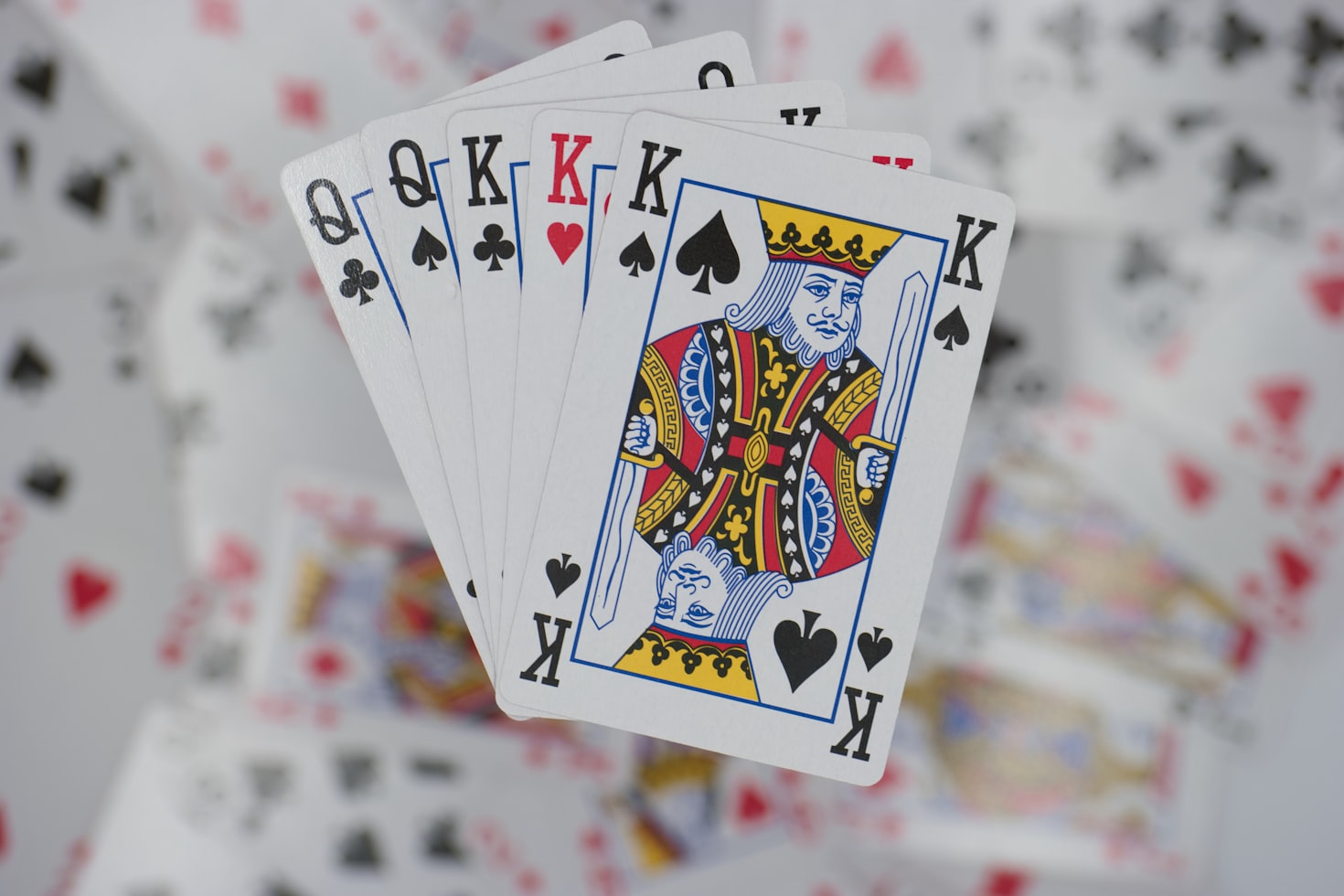
Conversely, this social environment can also lead to risky behaviors. As players interact, they may feel encouraged to take larger risks or try new games they wouldn’t typically consider alone. This shared enthusiasm can create an atmosphere where moderation is challenged, pushing individuals toward behaviors that could lead to gambling problems. Thus, understanding the social influences in gambling contexts is critical, as these dynamics can significantly shape individual choices and experiences in the casino.
The Role of Cognitive Biases
Cognitive biases are essential in understanding gambler behavior. One prevalent bias is the gambler’s fallacy, the belief that past outcomes influence future results. For instance, if a player has lost several rounds in a row, they may feel that a win is ‘due’ and increase their betting. This misconception can lead to irrational decision-making, causing players to overlook the independence of each game or round. Such biases often cloud judgment and can lead to escalating bets, further entrenching individuals in their gambling habits.
Another significant cognitive bias is the illusion of control, which refers to the belief that individuals can influence outcomes in games of chance. Gamblers may convince themselves that they can predict results or influence the game’s direction through strategies. This mindset can lead players to engage in behaviors such as over-betting or making impulsive decisions. By believing they have control over the outcome, individuals become more entangled in gambling, often disregarding the actual odds stacked against them.
Also, the concept of availability heuristic plays a vital role in gambling psychology. Players often recall vivid or recent experiences of wins more than losses, skewing their perception of how often they win versus lose. This cognitive bias reinforces the idea that winning is more frequent than it truly is, leading to increased participation and a neglect of the negative impacts of gambling. Addressing these cognitive biases is crucial for understanding and potentially mitigating harmful gambling behaviors.
Emotional Connections to Gambling
Emotions play a pivotal role in casino gambling, serving as both motivators and modifiers of behavior. For many players, gambling is not merely about winning money; it is intertwined with emotional experiences. Whether seeking thrill, escapism, or social engagement, individuals often use gambling to navigate their feelings. For instance, someone feeling stressed may turn to the casino as a form of relief, seeking to drown their worries in the excitement of games.
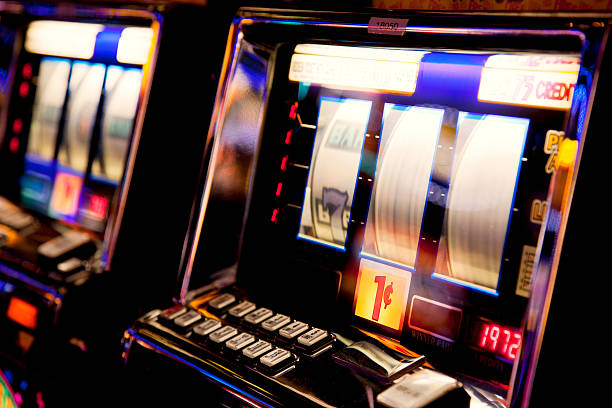
This emotional connection can create a feedback loop, whereby the highs of winning fuel further gambling, while losses may lead to even more attempts to chase those feelings. This chasing behavior reinforces the cycle, where individuals believe they can regain lost money, often leading to deeper financial and psychological issues. As emotions fluctuate, so does the behavior of gamblers, demonstrating the profound link between emotional states and gambling practices.
The emotional impact of gambling can also be exacerbated by situational factors. During significant events, promotions, or celebrations, individuals may feel an intensified urge to gamble. For example, holidays or local events may trigger people to gather and engage in gambling, seeing it as part of the festivities. Consequently, this sociocultural context can influence emotional connections with gambling, making awareness around these triggers essential for promoting responsible gambling practices.
Understanding Responsible Gambling Practices
With the complexities of gambling psychology laid bare, it is essential to advocate for responsible gambling practices. Casinos and gambling platforms should prioritize player education, offering resources to help individuals recognize harmful behaviors and cognitive biases that influence their gambling choices. Providing information on setting limits and understanding the odds associated with various games can empower players to make informed decisions.
A supportive community can also play a vital role in encouraging responsible gaming. Establishing forums or support groups within or associated with gaming establishments allows individuals to share experiences and strategies for managing their gambling habits. Recognizing that they are not alone in their struggles can foster resilience and encourage a healthier approach to gaming.
By promoting awareness of the psychological factors behind gambling behavior, casinos can contribute to a more responsible gaming culture. In doing so, they not only create a safer environment for players but also reflect a growing understanding of the psychological nuances of gambling, paving the way for more ethical practices in the industry.